Why Defeat, Death, and TPKs Make Your D&D Game Better
There they stood.
My young players had fought their way through traps, monsters, and ambushes to reach the heart of the Black Mage’s compound. They had earned this moment. They had discovered hidden doors, defeated a stone golem, survived a brutal encounter with gibbering mouthers, and even turned a group of bugbear assassins into reluctant allies.
And now, they faced something far beyond them.
A Skull Lord. A CR 15 creature. Against a party of level five adventurers.
What business did they have fighting something like that? And more importantly—what business did I have putting it in front of them? That question gets to the heart of something many dungeon masters struggle with: defeat, character death, and total party kills.
Because today, we’re going to talk about why those things aren’t just acceptable in Dungeons & Dragons…
They’re actually good for your game.
Invincible Heroes Make Boring Stories
Let me ask you something. Have you ever read a story where you knew the heroes were going to win no matter what?
No real danger. No meaningful loss. No chance of failure.
At first, it might be fun. But over time, something starts to happen. The tension fades. The stakes disappear. You stop worrying about what might happen, because you already know how it’s going to end.
When characters are effectively invincible, the story loses its edge.
Now compare that to stories where death is real. Where failure is possible. Where characters you care about can actually lose—or die.
Those stories hit differently. Every fight matters. Every decision carries weight. Every close call pulls you to the edge of your seat.
Why?
Because failure is a real possibility.
And that same principle applies directly to Dungeons & Dragons.
Without Risk, There Is No Tension
If your players know they can’t die, your game loses something critical. They might not say it out loud, but they’ll feel it.
They’ll take reckless actions. They’ll stop thinking strategically. They’ll engage with the game on a more superficial level, because deep down, they know the outcome is guaranteed.
But when players believe that death is actually on the table?
Everything changes.
Suddenly:
- Decisions matter
- Positioning matters
- Teamwork matters
- Every roll of the dice matters
The game becomes sharper. More intense. More engaging. Victory becomes something that must be earned, not something that is simply handed out.
Why Hard Fights Create Memorable Sessions
I ran a session recently where the setup was incredibly simple. The party was sent to deal with a handful of drow hiding out in a shack. There was no elaborate map. No complex dungeon. Just one encounter.
And yet, that session turned into one of the most memorable games we’d had in a long time.
Why?
Because the fight was brutal.
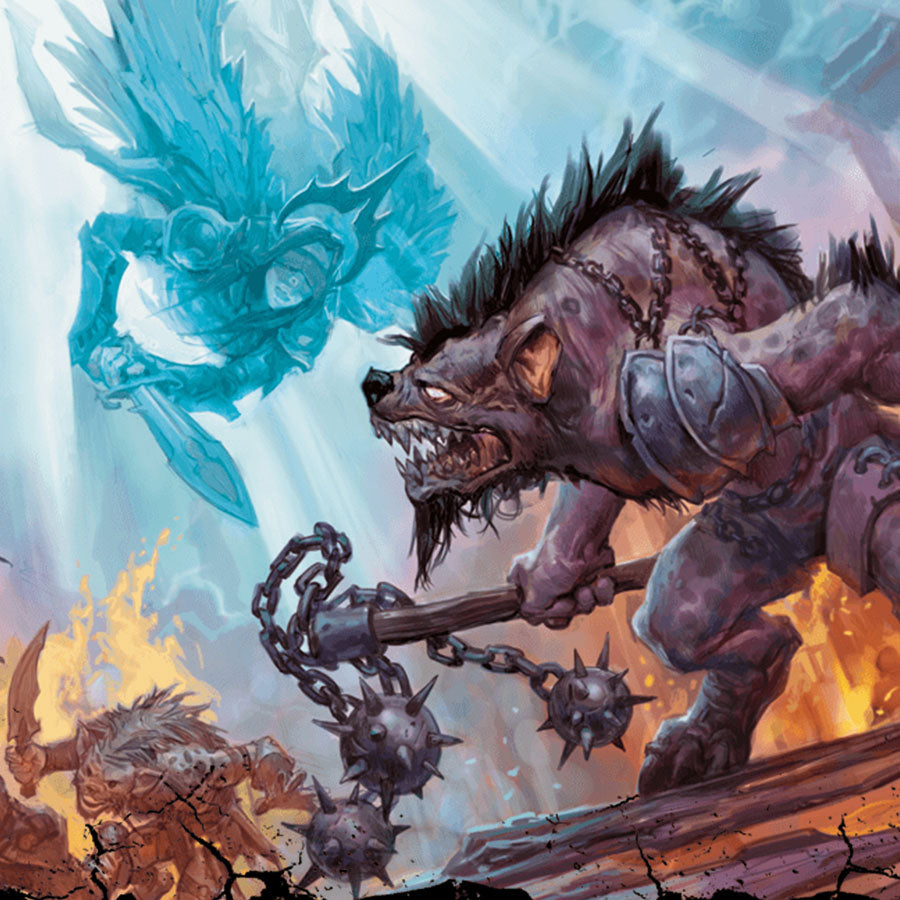
At one point, three out of five characters were down. Darkness filled the battlefield. No one knew where the enemy was or who would be targeted next. The players were scrambling, desperate, trying to survive.
It was chaos. It was tense.
And when they finally won, it felt incredible. Not because the encounter was complex. Not because the story was intricate. But because they believed—truly believed—that they might die. That belief is what creates unforgettable moments at the table.

Want to Run More Meaningful, High-Stakes Games?
If you want your players to feel real tension, make meaningful decisions, and earn their victories, you need more than just harder encounters. You need better tools, stronger encounter design, and a deeper understanding of how to run the game effectively.
That’s exactly what I break down in The Secret Art of Game Mastery.
Inside, you’ll learn:
- How to create encounters that feel dangerous without being unfair
- How to maintain tension without relying on constant lethality
- How to build worlds where player choices actually matter
- How to run games that keep players fully engaged session after session
👉 If you want to take your game to the next level, check it out here.
The Moment Your Players Stop Believing
There’s a dangerous moment in many campaigns. It’s the moment your players realize: “The DM won’t let us die.”
Once that belief sets in, tension disappears. Combat becomes routine. Risk-taking becomes meaningless. The game starts to feel less like an adventure and more like a scripted experience where the outcome is already decided.
And that’s when engagement starts to drop.
Players don’t need to die often. But they do need to believe that they can.
The Black Mage and the TPK
Let’s go back to my young players.
They had earned their way to the final encounter. But when the fight began, things didn’t go well. They split their focus. Some tried to negotiate when it was clearly too late. Others fled, leaving their allies behind.
The Skull Lord did what powerful enemies do. It punished mistakes. Spells tore through the party. Escape routes were cut off. Damage piled up.
And eventually… They all died.
A total party kill.
Now let me be clear: I didn’t set out to kill them. I didn’t force the outcome. The situation unfolded based on their decisions and the reality of the encounter.
But it happened. And the game didn’t end.
Defeat Is Not the End of the Game
This is where a lot of dungeon masters get it wrong. They treat character death or a TPK as a failure of the game itself.
It’s not.
It’s a turning point.
After that session, my players rolled up new characters. The story continued. The world moved forward. And the experience became something they would remember far more vividly than another easy victory.
Defeat adds weight to your world. It teaches players that their choices matter. That actions have consequences. That success isn’t guaranteed. And that makes everything that follows more meaningful.
The Real Value of Failure
There’s something deeper happening here, too.
Dungeons & Dragons isn’t just about winning battles or collecting loot. It’s about problem-solving, resilience, and learning how to deal with difficult situations.
When players face failure—real failure—they learn to adapt. To think differently. To approach problems with more care and creativity.
They learn that setbacks aren’t the end. They’re part of the journey. And that’s a lesson that extends far beyond the game.
Final Thoughts
Defeat, death, and even total party kills aren’t things to fear as a dungeon master. They’re tools. When used properly, they create tension, deepen engagement, and make victories feel truly earned. They transform your game from a predictable experience into something dynamic, uncertain, and unforgettable.
So don’t be afraid to let your players fail. Don’t be afraid to let the dice fall where they may. Because when your players know that failure is real… that’s when your game truly comes alive.
If you want help creating that kind of tension at your table—without guesswork—The Secret Art of Game Mastery breaks down the tools and mindset you need to run more engaging, high-stakes sessions with confidence.
-
Posted in
Game Master How-To Articles